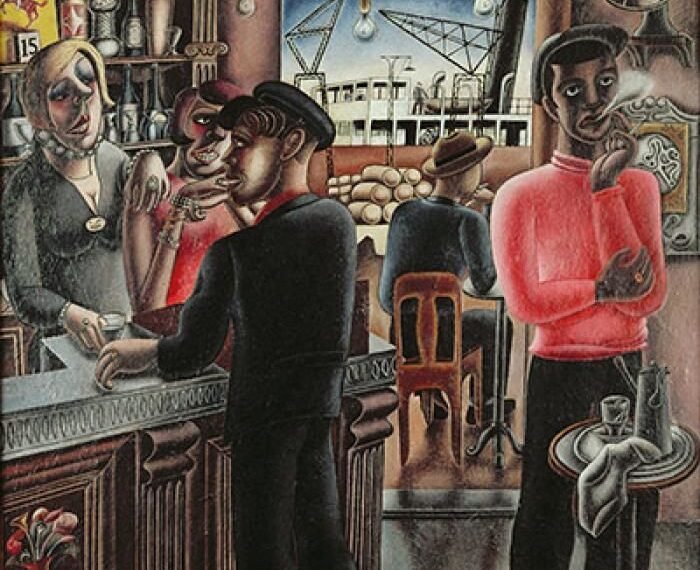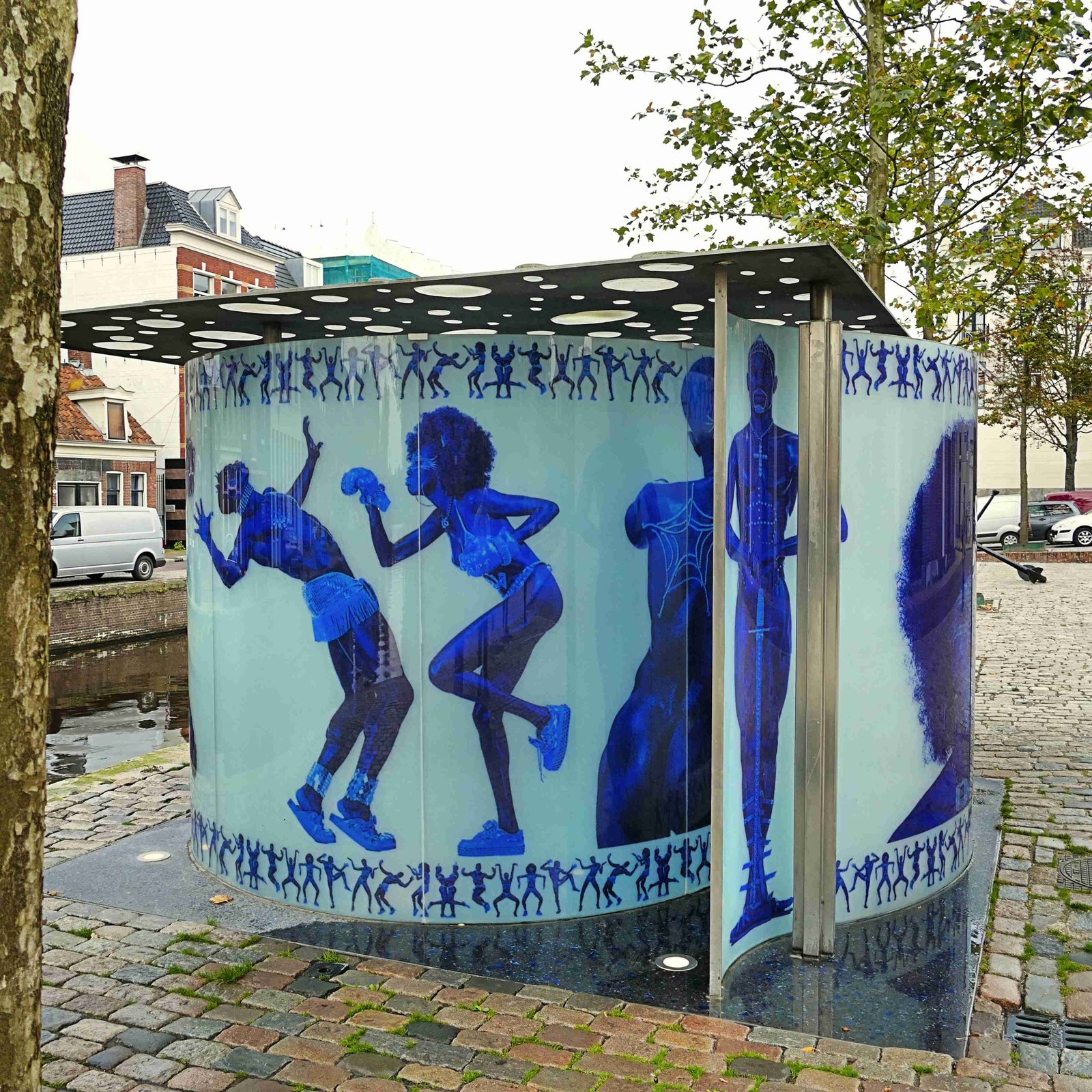
Art work, open toilet (man / woman) from Rem Koolhaas and Erwin Olaf
Erwin Olaf
Freedom
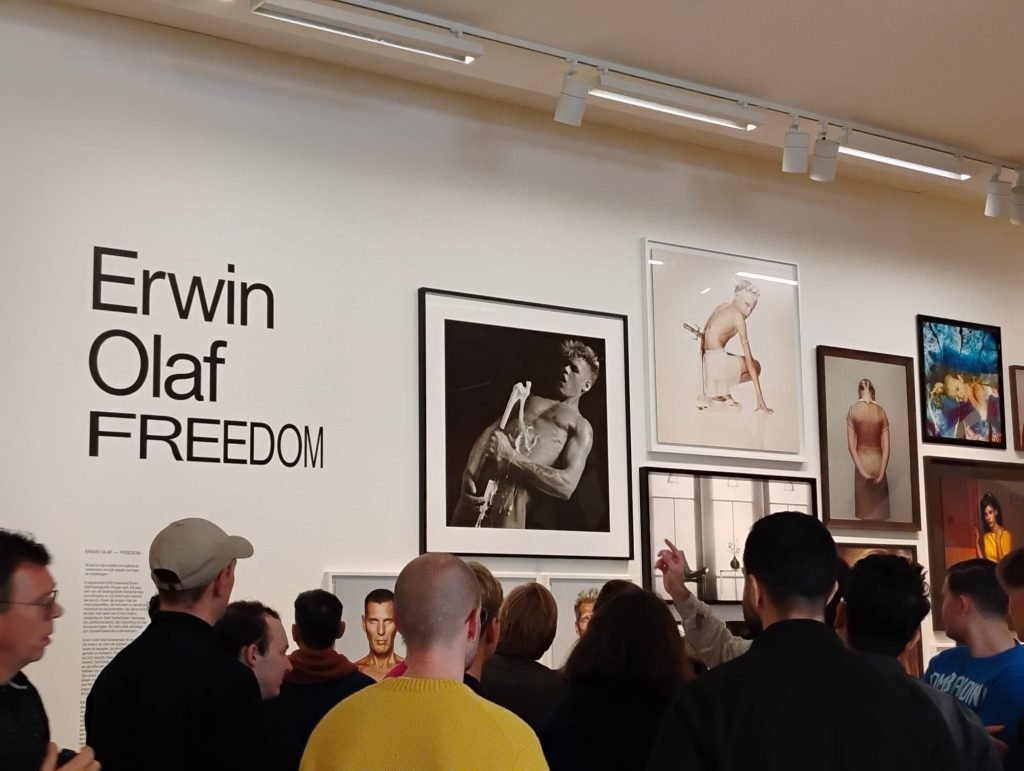
Exhibition — Running October 11 2025 until March 1 2026 at the Stedelijk, Museumplein, Amsterdam
Erwin Olaf (1959–2023) was a Dutch photographer who reshaped the visual language of identity, beauty, and sexuality. His work blurred boundaries between art and activism, using striking, cinematic compositions to confront questions of gender, power, and human vulnerability. Olaf’s images explored what society hides, turning queerness and difference into powerful acts of visibility.
Life and Career
Born in Hilversum, the Netherlands, Olaf studied journalism before discovering photography. He began his career in the 1980s amid the rise of the LGBTQ+ rights movement and the AIDS crisis. His early work captured queer nightlife in Amsterdam—bold, unapologetic, and raw. Over the decades, he transitioned from documentary-style images to meticulously staged scenes reminiscent of film stills. Each frame was crafted to reveal both beauty and discomfort.
Olaf’s exhibitions, including Chessmen (1988), Paradise (2001), and Grief (2007), earned international acclaim. His art appeared in museums from the Rijksmuseum to the Centre Pompidou, and he received the Netherlands’ highest cultural honor, the Order of the Lion, in 2019. Despite his global reputation, Olaf remained deeply connected to LGBTQ+ visibility and equality, often portraying queer subjects with tenderness and dignity rarely seen in commercial art.
Why Erwin Olaf Matters from an LGBTQ+ Viewpoint
Olaf’s photography challenged stereotypes by placing queer figures in classical, luxurious settings—spaces from which they were often excluded. He reframed LGBTQ+ lives as beautiful, complex, and central to the cultural narrative. His work invited viewers to reconsider who is allowed to be seen, and how beauty itself is defined. Olaf’s consistent portrayal of difference as strength helped reshape the public image of LGBTQ+ identity, not only in the Netherlands but globally.
His later work addressed aging, loss, and belonging, echoing universal human experiences while rooted in queer history. In his final years, Olaf campaigned for inclusion in Dutch cultural policy, arguing that representation must go beyond tolerance—it must be celebrated.
Chart: Selected Works by Erwin Olaf
| Title | Year | Description | Source |
|---|---|---|---|
| Chessmen | 1988 | Exploration of power, body, and strategy in homoerotic form. | Erwin Olaf Official Site |
| Paradise | 2001 | Provocative look at forbidden desire and societal hypocrisy. | MoMA Collection |
| Grief | 2007 | Emotional portraits exploring loss and elegance under restraint. | Rijksmuseum |
| Keyhole | 2011 | Voyeuristic examination of privacy and exposure. | Erwin Olaf Studio |
| Im Wald | 2019 | Atmospheric landscapes connecting human fragility and nature. | Royal House of the Netherlands |
Legacy
Erwin Olaf’s legacy lies in how he merged aesthetics with activism. His photography gave visibility to those long unseen, pushing museums and media alike to embrace queer perspectives. In doing so, he turned the act of looking itself into a statement of pride and resistance.
To explore more of Olaf’s work, visit the Erwin Olaf Official Website or the Rijksmuseum Collection.