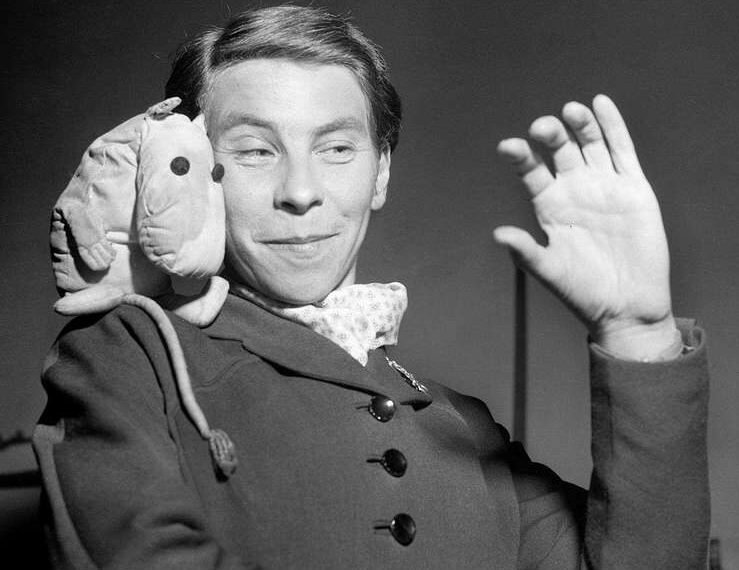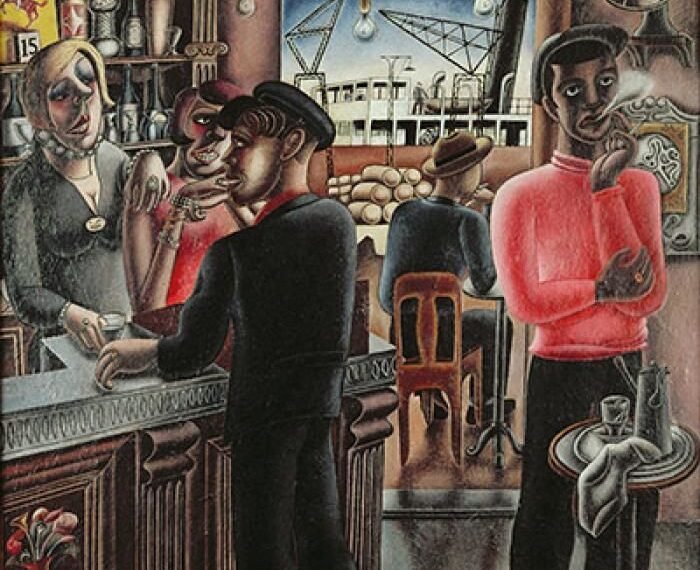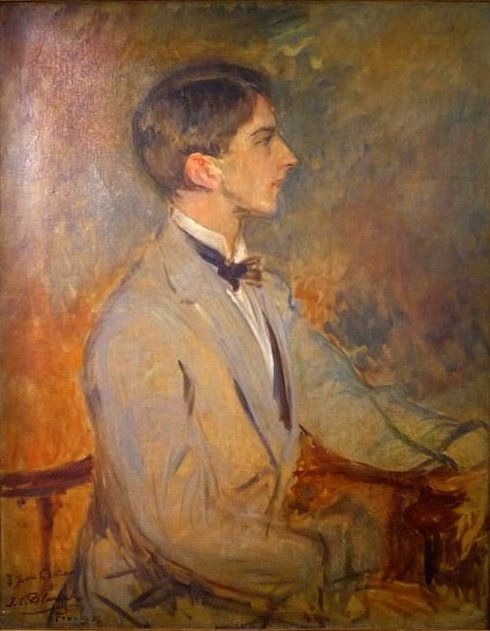
Jean Cocteau portrait by jacques emile blanche, 1910
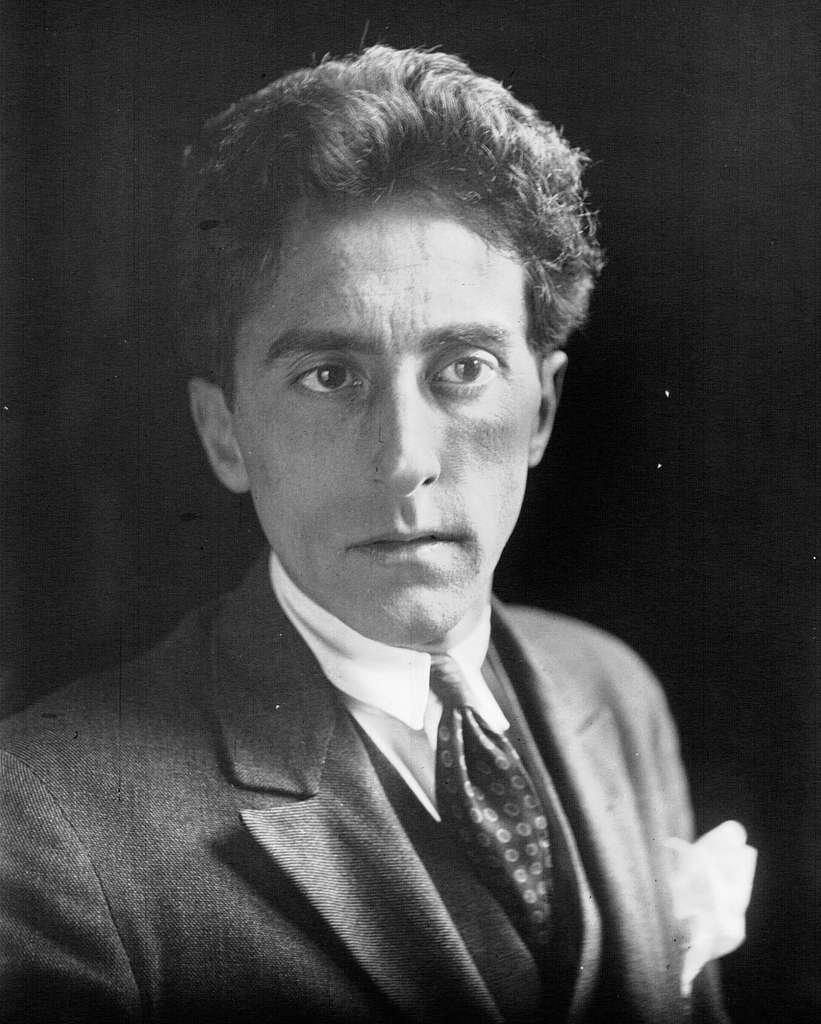
Jean Cocteau was born in 1889 in Maisons‑Laffitte, France, and died in 1963. He was a multi‑talented artist: poet, novelist, playwright, filmmaker, and visual artist, whose work shaped the trajectory of 20th‑century art and cinema. Cocteau blurred the boundaries between poetry, literature, and visual storytelling, leaving a legacy that continues to influence writers and filmmakers today. (en.wikipedia.org)
A Queer Life and Perspective
Cocteau’s homosexuality informed much of his creative work. At a time when open expressions of same‑sex desire were socially unacceptable, Cocteau infused his art with coded and overt depictions of homoeroticism. His semi‑autobiographical novel Le Livre blanc (The White Paper), published anonymously in 1928, explores a young man’s sexual awakening and experiences with other men. This work was one of the earliest literary depictions of queer life by a major artist, and it marked a quiet but profound challenge to the cultural norms of his time. (en.wikipedia.org)
His long-term personal and professional relationship with actor Jean Marais influenced much of his film and visual art. Marais became both muse and collaborator, appearing in iconic Cocteau films. Through these collaborations, Cocteau brought queer presence to the screen in a subtle but enduring way. (museumofsexobjects.co.uk)
Key Works and Their Significance
Below is a chart of some of Cocteau’s most important works, their dates, and why they matter, particularly from a queer cultural perspective.
| Work | Year | Type | Why it matters |
|---|---|---|---|
| Le Livre blanc | 1928 | Novel, published anonymously | One of the earliest semi‑autobiographical queer novels by a major artist. It traces male homoerotic desire and adolescent sexual awakening. (en.wikipedia.org) |
| Les Enfants terribles | 1929 | Novella / Theatre adaptation | Explores intense emotional bonds between two young people, with ambiguous sexuality. Its psychological depth and theatrical adaptation brought queer themes to wider audiences. (britannica.com) |
| Le Sang d’un poète (The Blood of a Poet) | 1930 | Film | Surrealist film exploring identity, art, and desire. Dreamlike sequences allow interpretations of internal struggles and non‑normative sexuality. (fr.wikipedia.org) |
| La Voix humaine (The Human Voice) | 1930 | Play | A one-woman monologue examining loss and emotional isolation. While not explicitly queer, it demonstrates Cocteau’s experimental approach to narrative and expression. (en.wikipedia.org) |
| La Belle et la Bête (Beauty and the Beast) | 1946 | Film | Features Jean Marais as the Beast, emphasizing transformation, desire, and beauty. The film’s subtext can be read as exploring non‑normative desire and queer longing. (en.wikipedia.org) |
| Orphée (Orpheus) | 1950 | Film | Part of the Orphic trilogy; mirrors and transformations serve as metaphors for hidden identity and artistic self-exploration. Cocteau’s poetic cinematic language allows queer readings. (theculturium.com) |
| Le Testament d’Orphée (Testament of Orpheus) | 1960 | Film | Concludes the Orphic trilogy. Blends autobiography, myth, and surrealism. Features collaborators, including Marais, highlighting Cocteau’s integration of queer relationships into art. (en.wikipedia.org) |
Why Cocteau Matters for LGBTQ+ History
Cocteau’s work holds a critical place in queer cultural history. He:
- Depicted male homoerotic desire in literature and visual art at a time when open expression was risky.
- Integrated queer intimacy into films and theatre, offering visibility to relationships often erased in mainstream culture.
- Combined autobiography and myth, allowing coded expressions of queer identity to reach broad audiences.
His willingness to merge personal identity with experimental art made him a pioneer of queer modernism, influencing generations of writers, filmmakers, and artists. (chiartsdoublespace.org)
Recommended Reading and Sources
- Jean Cocteau biography on Wikipedia: https://en.wikipedia.org/wiki/Jean_Cocteau (en.wikipedia.org)
- The White Paper (Le Livre blanc) overview: https://en.wikipedia.org/wiki/The_White_Paper_(novel) (en.wikipedia.org)
- Museum of Sex Objects profile on Cocteau and LGBTQ+ legacy: https://www.museumofsexobjects.co.uk/wall-sexual-heroes/jean-cocteau (museumofsexobjects.co.uk)
- Analysis of Cocteau’s cinematic work and queer interpretation: https://www.theculturium.com/jean-cocteau-the-art-of-cinema/ (theculturium.com)
Cocteau’s life and art remain essential for understanding how queer identity shaped modern creative expression. His work shows that even in a restrictive era, artistic vision could challenge norms, celebrate desire, and leave a lasting cultural imprint.
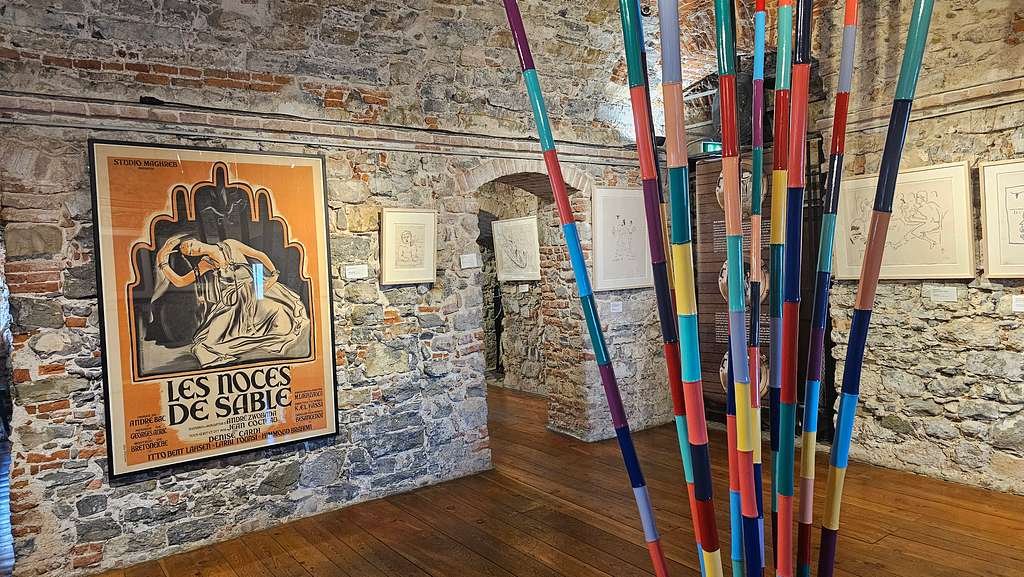
Musée Jean Cocteau – Le Bastion