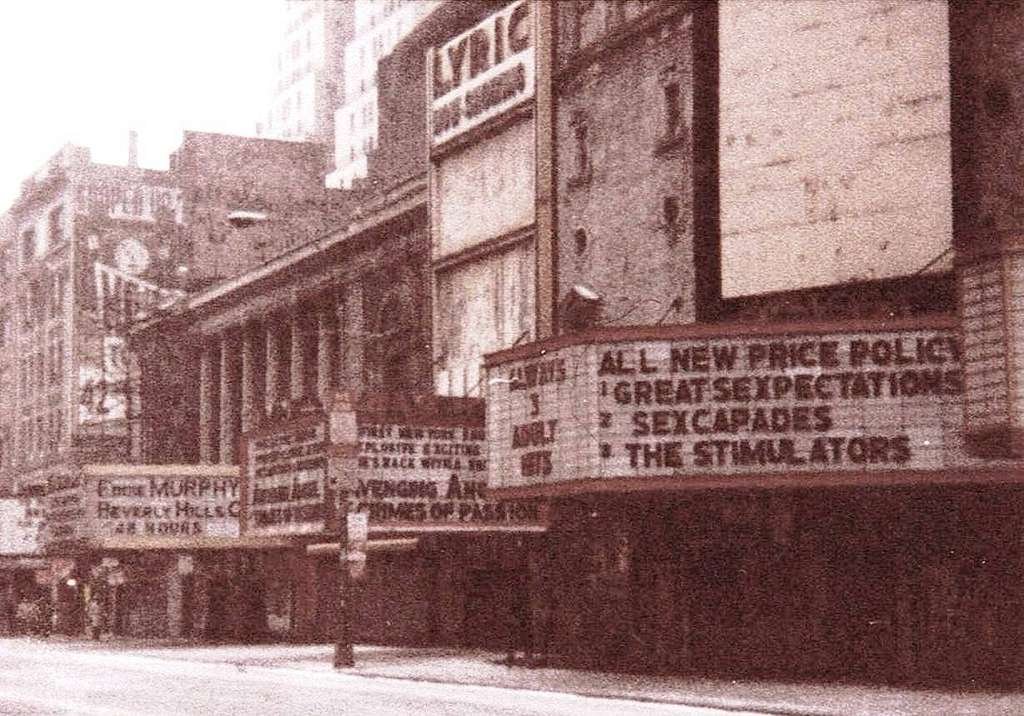
42nd St, NYC, Lyric Theatre, 1985
Peter Hujar (1934–1987) remains one of the most influential photographers of New York’s downtown scene. His portraits, often stark and intimate, captured the lives of queer artists, writers, musicians, and friends at a time when LGBTQ+ communities faced both cultural blossoming and deep struggle.
A Life in Portraits
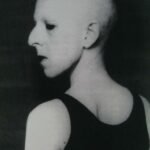
Hujar’s work is known for its clarity and vulnerability. He photographed people not as distant icons but as fully human, often in their own environments. His subjects ranged from drag performers and punk musicians to painters, writers, and lovers. His portraits often reveal a deep sense of trust between artist and subject, showing a rare intimacy in the visual record of queer life.
Downtown New York
During the 1970s and 80s, Hujar documented the shifting cultural landscape of downtown Manhattan. His work provides a visual archive of queer identity, nightlife, and resistance, set against the backdrop of the AIDS crisis that would eventually take his own life in 1987. Many of his most striking images confront mortality with both tenderness and stark realism, giving voice to a generation that was often erased.
Queer Visual History
Hujar’s photography stands out for how it shaped queer visual history. Unlike staged editorial work, his portraits embodied honesty and defiance. They told the story of LGBTQ+ life as it was lived—raw, unguarded, and deeply personal. These images continue to inspire artists and serve as a historical document of resilience and creativity.
Legacy
Today, Hujar is recognized as one of the central figures in queer art and documentary photography. His photographs are held in major museum collections, yet they retain the intimacy of personal encounters. In looking at his work, we see not only the faces of a community but also the humanity that defined an era.
Sources and Further Viewing
- Peter Hujar Collection – The Morgan Library & Museum
- Art Resource: Peter Hujar photographs (rights and reproductions)
- Peter Hujar Archive – The Estate of Peter Hujar