
William “Billy” Haines lived a life of defiance, reinvention, and love. He was one of Hollywood’s leading stars in the late 1920s and early 1930s, but when the studio system demanded he hide or end his relationship, he refused. He gave up the screen, became a celebrated interior designer, and lived openly with his partner, Jimmy Shields, for nearly fifty years. That decision cost him a film career—but it gave him something far richer: integrity.
Early Fame, and the Price of Visibility
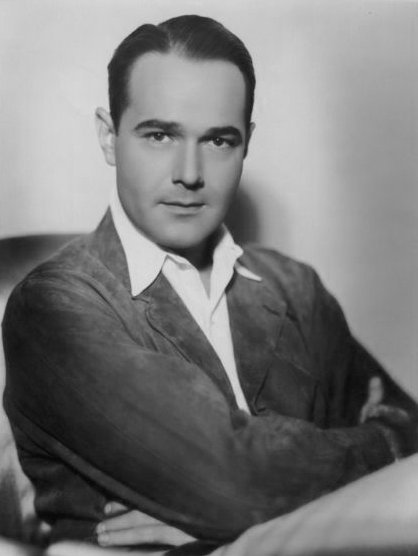
Born January 2, 1900, in Staunton, Virginia, Charles William Haines (who called himself Billy) ran away from home as a teen, wound his way into modeling, then into films. He joined Goldwyn Pictures in 1922 and gradually earned parts in silent films.
He broke through with Brown of Harvard (1926), playing the cocky, quick-witted lead that became his screen type. Audiences adored his swagger. Critics praised his timing. The press sold him as a glamorous bad boy.
He made the transition to talkies more smoothly than many peers. Films like Speak It with Songs and The Girl Said No kept him on top into the early 1930s.
The Ultimatum, and the Choice
By the early 1930s, pressures mounted. Hollywood studios kept a tight moral code on their stars. The Production Code (Hays Code) formalized constraints on sexual content, including prohibitions against “homosexual behavior.”
In 1933, MGM head Louis B. Mayer confronted Haines: either marry a woman (for show) or have your contract terminated. Haines reportedly responded, “I am married” (referring to his life with Shields) and walked away.
MGM refused to renew his contract. His name gradually vanished from major productions. That was the end of his film career.
Filmography (selected)
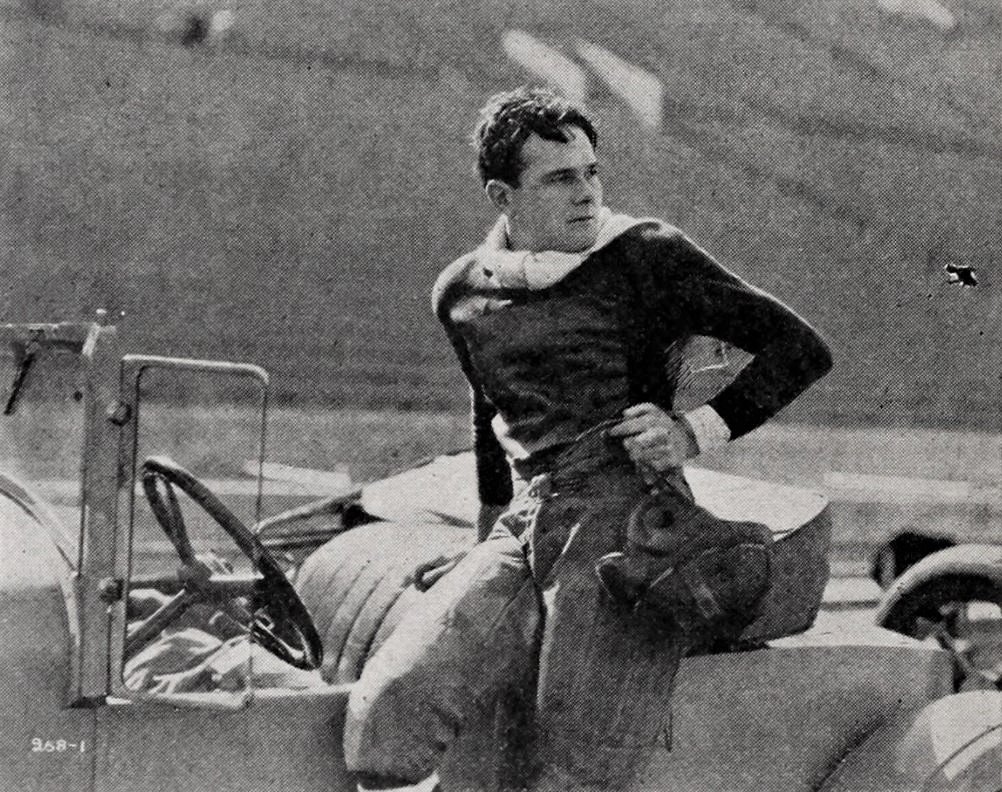
Brown of Havard, 1926
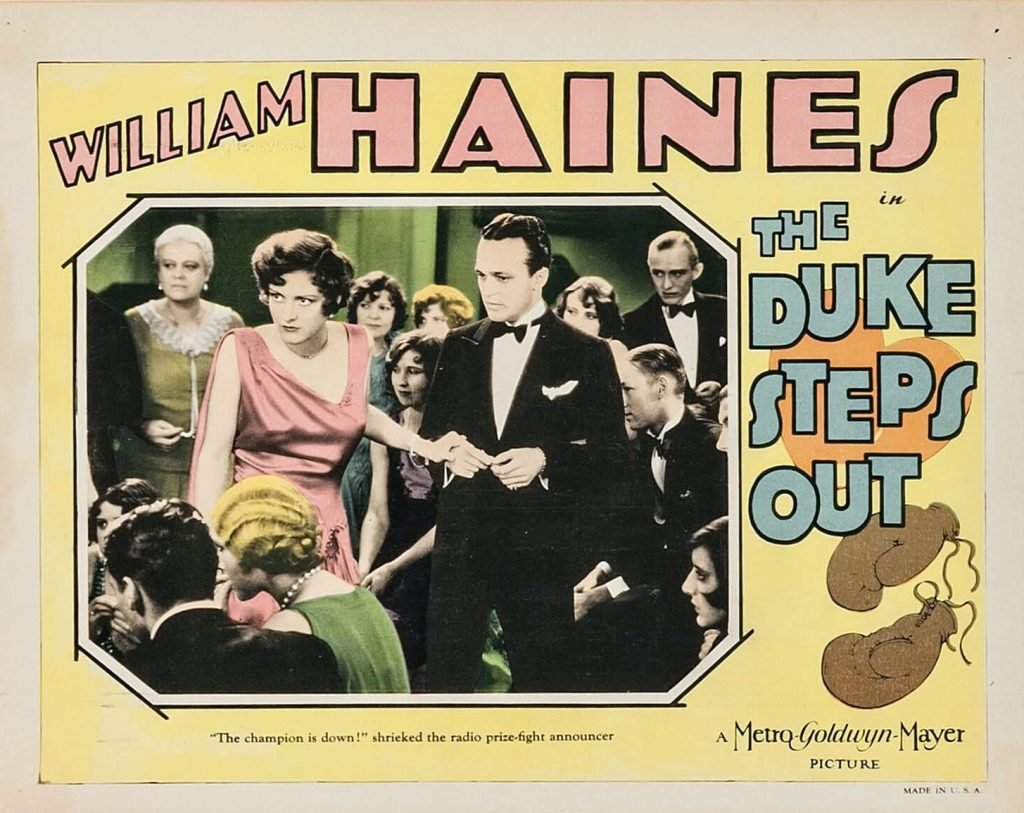
Key films and turning points in his acting career:
| Year | Film | Role | Notes / Significance |
|---|---|---|---|
| 1923 | Three Wise Fools | Bit / ensemble | Early small part |
| 1926 | Brown of Harvard | Tom Brown | Big breakthrough |
| 1926 | Tell It to the Marines | Skeet Burns | Hit and star vehicle |
| 1928 | West Point | Brice Wayne | Reinforced his charm persona |
| 1928 | Show People | Himself (cameo) | Hollywood-inside meta film |
| 1929 | Navy Blues | Jack Kelly | Early talkie success |
| 1930 | The Girl Said No | Tom Ward | Major sound film lead |
| 1930 | Way Out West | Windy | Genre shift, still a star |
| 1931 | A Tailor Made Man | John Paul Bart | Box office strong |
| 1932 | The Champ | Supporting / cut | Transition period |
| 1933 | The Marines Are Coming | Capt. Geoffrey | Final major film before exit |
This chart is selective (not exhaustive), but it shows how his career was moving upward right up until the break.
Reinvention: Design, Home, and Legacy
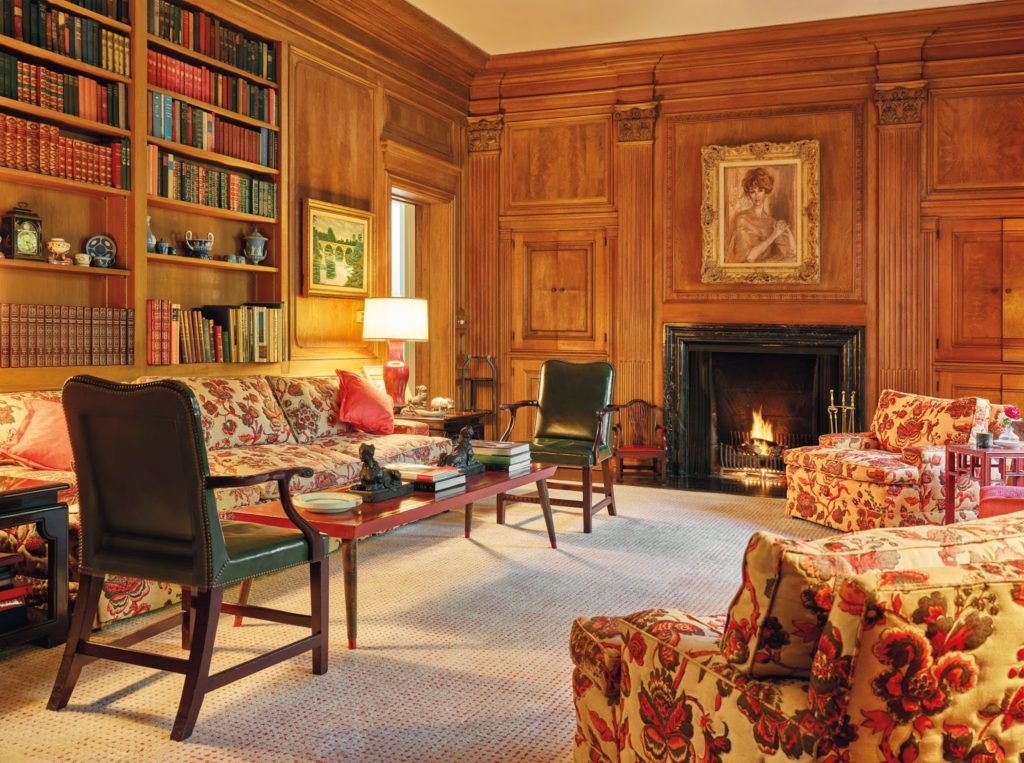
After leaving films, Haines and Shields set up an antique shop and design studio in Los Angeles. Clients were friends from his Hollywood circle. Joan Crawford became one of his first clients. Word spread.
He developed what became known as the Hollywood Regency style: mixing classical motifs with clean lines, lacquered surfaces, chinoiserie, and bold contrasts. His designs conveyed glamour without ostentation.
His interior work included the homes of the Warners (Jack & Ann Warner), the Annenbergs (Sunnylands), the Reagans, and many film stars.
In subsequent decades, his design reputation eclipsed his acting. His furniture pieces became collectible.
Shown above is an interior shot reflecting his design aesthetic: refined, elegant, balanced.
The Relationship That Withstood Hollywood
Billy Haines and Jimmy (Jimmie) Shields were partners from around 1926 until 1973—nearly half a century. Despite hostility, social stigma, and occasional violence (for instance, in 1936 they were attacked after an accusation of impropriety) they remained together.
Friends and colleagues often called them “the happiest married couple in Hollywood.” Joan Crawford reportedly coined that phrase. Their relationship survived the loss of Hollywood fame, financial trials, and social ostracism.
They lived openly with dignity—even when “openly” was dangerous.
Final Years, Grief, and Tragic End
In December 1973, Billy Haines died of lung cancer. He was 73. News widely acknowledged his family survivors, but rarely mentioned Shields, his life partner.
Grief overwhelmed Shields. Less than three months later, on March 25, 1974, Shields died by suicide (ingesting a bottle of sleeping pills). In his note he wrote:
“I now find it impossible to go it alone, I am much too lonely.”
The couple’s ashes were mixed (their request). Their legacy lives in bold interiors, the defiance of love, and a model of integrity.


